To recognize South Carolina Cultural History Month and the American Revolution, the South Carolina State Library’s Federal Documents Collection highlights selected works featuring key Revolutionary War battlefields on South Carolina soil and works reflecting the culture of 18th-century South Carolina and early America.
Visit the South Carolina State Library to view these featured federal publications and explore additional resources on South Carolina Culture and the American Revolution.
Federal Publications: South Carolina Culture and the American Revolution
Federal Documents
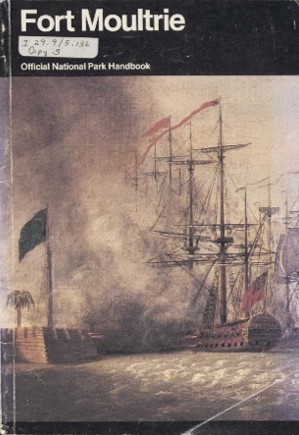
Fort Moultrie: Constant Defender
This Official National Park Handbook, published in 1985, provides a brief history of the American Revolution events that took place at Fort Moultrie on Sullivan's Island, South Carolina. It also highlights many historical figures who participated in the American Revolution there. Visitors can walk through this famous fort and learn about its important role in the American Revolution and its significance as part of the nation’s seacoast defenses from 1776 to WWII.
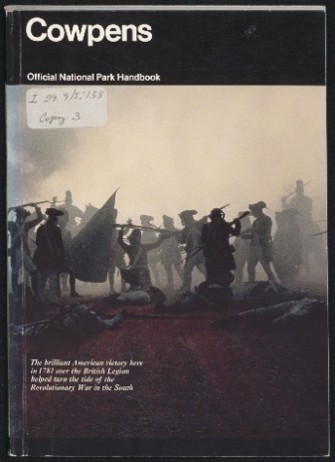
Cowpens: "Downright Fighting": The Story of Cowpens
The story of Cowpens, as told in these pages, is ever fresh and will live in memory as long as America’s wars are studied and talked about. Written by Thomas J. Fleming, a biographer and military historian, this brief history and Official National Park Handbook is a gripping tale by a master storyteller of what has been described as the patriot’s best fought battle of the Revolutionary War.
Opening Shots in the Colonies, 1775-1776
As America celebrates the 250th anniversary of the Revolutionary War, it is a perfect time to reflect on the revolutionary generation. Over the past two-and-a-half centuries since the war, the United States has grappled with the complexities and paradoxes of its revolution. How could a nation be born from the idea that all men are created equal, and yet deny much of that freedom to women and to many of its own population based on the color of their skin? How should a central federal government balance power with state governments? Could those 13 fractious colonies merge into one nation? The seeds of what would become our country’s future political and military conflicts lie in these complexities, as do some of our greatest national accomplishments.
The Archeology of Freedom and Slavery: Excavations at the President's House site in Philadelphia
This report documents archeological investigations at the site of George Washington’s house in Philadelphia, Pennsylvania. This document sought to uncover evidence about the house that served as the executive mansion for President George Washington and President John Adams during the ten-year period when Philadelphia was the nation’s capital, from 1790 to 1800. Research revealed that President Washington kept nine enslaved Africans on the property during his administration, and that some of those individuals were housed in a location that today sits at the entrance to the new home of the Liberty Bell—the symbol of American freedom.
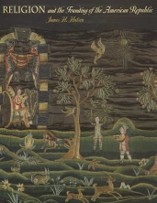
Religion and the Founding of the American Republic
In a clear and original treatment of a controversial topic, historian James H. Hutson describes the rise of organized religion in America and its interaction with government from the arrival of Protestant and Catholic groups in New England and the Middle Colonies in the early 17th century to the establishment of new religious groups in the early decades of the 19th century.
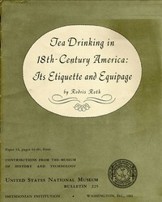
Tea Drinking in 18th-Century America: Its Etiquette and Equipage
Explores the social customs, etiquette, and material culture surrounding tea drinking in 18th-century America. Discusses the types of tea imported, the vessels and equipment used in serving tea, and the influence of English traditions on American practices.
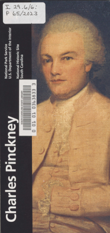
Charles Pinckney National Historic Site, South Carolina
This brochure gives historical information about Charles Pinckney and the Charles Pinckney National Historic Site in South Carolina.
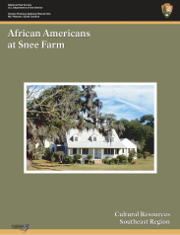
African Americans at Snee Farm Plantation, Mount Pleasant, South Carolina
This research study provides historical information about the enslaved African Americans at Snee Farm in Mount Pleasant, South Carolina, owned by Charles Pinckney, one of the signers of the United States Constitution, and about the descendants of the enslaved workers who continued to sustain a thriving African American community into the 20th century. The plantation is now known as the Charles Pinckney National Historic Site.
Ninety Six National Historic Site, South Carolina Pamphlet
This 2020 visitor map of Ninety Six National Historic Site in South Carolina provides an overview of the 1781 Siege of Ninety Six. It also highlights key historic features, including Star Fort and the existing Revolutionary War-era earthworks, and describes everyday life in Ninety Six, noting that it began as a trading post in 1751, with photographs of actual artifacts found on site by archaeologists illustrating items of daily life in a frontier village.

Kings Mountain Official Map and Guide: Kings Mountain National Military Park, South Carolina
This visitor guide to Kings Mountain National Military Park in South Carolina provides historical information, maps, and illustrations to help visitors explore the site of the 1780 Revolutionary War battle.
Upcoming Event

Revolutionary Ghosts with Author and Storyteller, Tally Johnson
October 29, 2026, 6:00 PM
Please join us for our next Speaker at the Center talk with award-winning storyteller, author, and folklorist Tally Johnson, who will tell ghost stories from the Revolutionary War period, covering South Carolina from the mountains to the sea. You will learn some of the hidden history of the Revolution via the rich ghostlore of South Carolina, where the Revolution was won.