South Carolina Cooking & Cuisine

South Carolina's holiday table is a delicious blend of tradition and comfort foods.

Expect to see a variety of foods including ham with red-eye gravy, turkey and gravy, macaroni and cheese, collard greens, sweet potatoes, and homemade biscuits.  Don’t forget the Hoppin' John for New Year's luck! Of course, no meal is complete without dessert – pecan pie, coconut cake, fruit cake, and apple pie.  South Carolina’s tradition-rich cooking, from the blends of African, Caribbean, and European heritages, brings families together around flavors passed down through generations.

On the Shelves

Cover of 300 Years of Carolina Cooking.

300 Years of Carolina Cooking

Junior League of Greenville

First published to commemorate South Carolina's tricentennial, 300 Years of Carolina Cooking continues to be a must-have cookbook for serious cooks and collectors as well. There is an extensive game section, including wild menus and game preparation tips.

View in Catalog

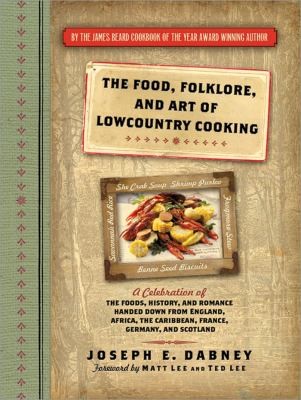
Cover of The Food, folklore, and art of Lowcountry cooking: a celebration of the foods, history, and romance handed down from England, Africa, the Caribbean, France, Germany, and Scotland

The Food, Folklore, and Art of Lowcountry cooking: A Celebration of the Foods, History, and Romance Handed Down from England, Africa, the Caribbean, France, Germany, and Scotland

Joseph Earl Dabney

Discover the secrets of one of the most mysterious, romantic regions in the South: the Lowcountry. James Beard Cookbook of the Year Award-winning author Joe Dabney produces another gem with this comprehensive celebration of Lowcountry cooking. Packed with history, authoritative folklore, photographs, and fascinating sidebars, Dabney takes readers on a tour of the Coastal Plain, including Charleston, Savannah, and Beaufort, the rice plantations, and the sea islands.

View in Catalog

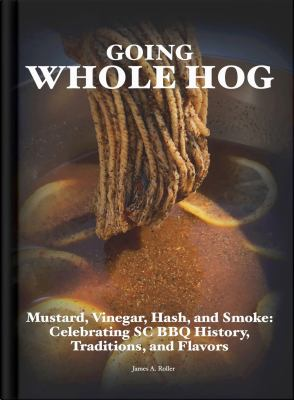
Cover of Going Whole Hog: Mustard, Vinegar, Hash, and Smoke : Celebrating SC BBQ History, Traditions, and Flavors.

Going Whole Hog: Mustard, Vinegar, Hash, and Smoke : Celebrating SC BBQ History, Traditions, and Flavors

James Roller

In the Palmetto State, barbecue is not a cooking method but a serving of our cultural heritage, one primarily flavored by time, smoke...and four different sauces. Our barbecue tradition is deeply rooted in history. Some even argue South Carolina is the birthplace of barbecue. Whether it's whole hog cooked for hours over hardwood coals or the unique delicacy known as hash, SC BBQ offers a rich buffet of flavors and experiences. While it's true this authentic collection comes from some of SC's most renowned pitmasters, many are family recipes - some generations old - from SC's best backyard and competition cooks. Sauces and rubs, meats, hash, sides, and desserts: each enjoys a dedicated chapter. Beyond the recipes, you'll enjoy the histories and special features spotlighting the people who have made South Carolina barbecue what it is today. Going Whole Hog is more than just a collection of recipes; it's a journey through South Carolina's BBQ heritage. It explores the state's traditional BBQ techniques practiced by those manning the backyard grill, taking the competition stage, or working the pits at historic restaurants. Each recipe and story is a testament to the authentic BBQ culture that thrives in the Palmetto State. From the tangy vinegar sauce of Eastern SC to the staple mustard sauce of the Midlands, each region brings its unique twist. The book also covers hash recipes, a South Carolina original, from the yellow hash of the Lowcountry and Midlands to the beef hash of the Upstate. But it's not just about the sauces and meats. This book delves into the sides and desserts that complete the BBQ experience. From staples like collard greens and baked beans to regional favorites like chicken bog, catfish stew and tomato pie, these recipes reflect SC. This collection also pays homage to the pitmasters who have shaped South Carolina's BBQ scene, from early pioneers like Big Joe Bessinger and Earl Dukes to today's legends John Lewis and Rodney Scott. In addition, it provides a guide to BBQ pit building, offering instructions for constructing your own cinder block pit, and a simple approach to cooking whole hogs. In essence, "Going Whole Hog" is a celebration of South Carolina's BBQ heritage, a tribute to the pitmasters who have shaped it, and a guide for those who wish to carry on the tradition. It's a testament to the cultural influences of SC BBQ.

View in Catalog

Cover of Mama Doonk’s Gullah Recipes.

Mama Doonk’s Gullah Recipes

Theresa Jenkins Hilliard

Theresa Jenkins Hilliard was born on Edisto Island, SC where she spent her early childhood under the guardianship of her beloved grandmother, Susan Jenkins, affectionately known as Mama Doonk. She developed an interest in cooking at an early age and watched attentively as her grandmother prepared the family meals. Her grandmother always involved her in the preparation of the meals by assigning her to whatever her little hands could do. This was her grandmother's way of teaching her. She later began cooking at an early age under her grandmother’s tutelage. She has been preparing Gullah cuisine for her family and friends for the past sixty years. What began as a scrapbook of recipes for her children culminated into "Mama Doonk’s Gullah Recipes" Book named for her grandmother. Theresa later moved to the historic Maryville/Ashleyville neighborhood in the West Ashley area of Charleston, on the site where Charleston was founded in 1670, to live with her mother Molly. Molly moved to Charleston during the Great Migration of the 1940s to work as a cook for a wealthy south of Broad Street family. Under her mother's tutelage, Theresa’s love for cooking continued to grow. Food was always the focal point of every celebration. No matter the occasion, food was a part of it. Theresa always prepared the celebratory meals, which always included Gullah food. This book includes dishes prepared by her grandmother, her mother, and her aunt, as well as some of Theresa's favorite dishes that she has prepared during the years. You will find her grandmother’s rabbit, opossum, and raccoon stew, shrimp and grits, corn fritters, okra soup, and mouthwatering homemade biscuits. She includes her mother’s corn muffins and roast duck, as well as, her Aunt Edna's, squash casserole and easy pound cake. Her ancestors were all great cooks. This book gives you a glimpse of history when food were from the land, sea, wood, fields and trees, long before all of the modern conveniences of "store bought" food. Their food was literally from the field to the plate long before it became popular. Theresa adds some antidotes that will make you chuckle as you reminisce. Take a step back in time with her. This book will jog the memory of some and give others a peek into the past. "Hunna en had good eatin' 'til ya' grease ya' mouf' wid Gullah food." (You all haven't had good eating until you've eaten Gullah food). Theresa's descendants were members of a distinctive group of people known as Gullah-Geechee. Theresa stands on the wings of three very special women whose teachings have made a significant impact on her life. This book is dedicated to her beloved grandmother, Mama Doonk, her most treasured mother Molly and her dear aunt, Edna. Their recipes will live on forever between these pages.

View in Catalog

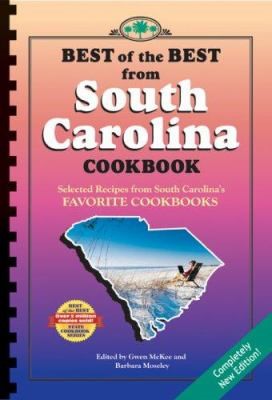
Cover of Best of the Best from South Carolina Cookbook: Selected Recipes from South Carolina’s Favorite Cookbooks

Best of the Best from South Carolina Cookbook: Selected Recipes from South Carolina’s Favorite Cookbooks

Gwen McKee, Barbara Moseley

Part of the acclaimed Best of the Best State Cookbook Series, Best of the Best from South Carolina Cookbook contains 350 carefully selected recipes submitted from the most popular cookbooks published in the Palmetto State. In addition to favorite recipes, the book includes a catalog that provides a description and ordering information―a bonanza for anyone who collects cookbooks. Beautiful photographs, interesting facts, and original illustrations also capture the special flavor of South Carolina.

View in Catalog

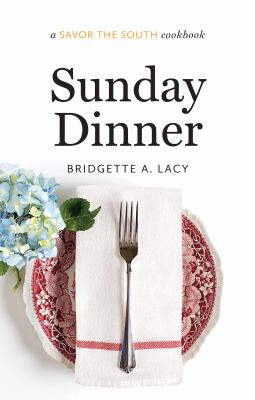
Cover of Sunday Dinner.

Sunday Dinner

Bridgette A. Lacy

Bridgette A. Lacy offers an ode to a meal that, notably in the Sabbath-minding South, is more than a meal. Sunday dinner, Lacy observes, is “a state of mind. It is about taking the time to be with the people who matter to you.” Describing her own childhood Sunday dinners, in which her beloved, culinary-minded grandfather played an indelible role, Lacy explores and celebrates the rhythms of Sunday food traditions. But Lacy knows that, today, many who grew up eating Sunday dinner surrounded by kin now dine alone in front of the television. Her Sunday Dinner provides remedy and delicious inspiration any day of the week.

View in Catalog

Cover of The Sandlapper Cookbook.

The Sandlapper Cookbook

Catha W. Reid

A collection of recipes from the Sandlapper magazine. Unusual recipes as well as standard fare including pickles, relishes, salads, slaws, seafood, and game.

View in Catalog

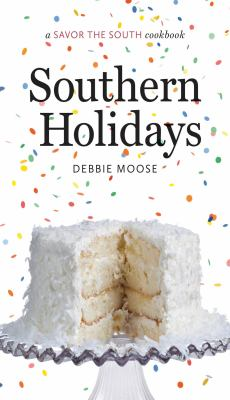
Cover of Southern Holidays.

Southern Holidays: A Savor the South Cookbook

Debbie Moose

Debbie Moose’s Southern Holidays is a cook’s celebration of the richly diverse holiday traditions of today’s South. Covering big traditional holidays such as Christmas and Mardi Gras, this must-have addition to the Savor the South® cookbook collection also branches out into regional and cultural holidays that honor newer southern traditions, including recipes from real cooks hailing from a range of ethnic traditions and histories. The cooks' stories accompanying the recipes show how holiday foods not only hold cherished personal family memories but also often have roots in a common past that ties families together in a shared southern history.

View in Catalog

Cover of Ilittibaaimpa’: Let's Eat together!: A Chickasaw cookbook.

Ilittibaaimpa’: Let's Eat together!: A Chickasaw Cookbook

Vicki Penner

The second cookbook published by the Press, presented as a companion volume to the popular ilimpa'chi': We re Gonna Eat! A Chickasaw Cookbook (2011) brings together recipes, reminiscences, and heaping helpings of slices of life from the kitchens of five modern Chickasaw Nation families. Chickasaw cooks JoAnn Ellis and Vicki Penner, the authors of ilimpa'chi', return as our culinary guides to a vast selection of wholesome recipes for breads, salads, sides, casseroles, main dishes, and desserts. Some are traditional, quite a few are original, and all are guaranteed to be delicious. In the spirit of the new cookbook s title, the featured dishes are favorites that JoAnn, Vicki, and three other featured cooks, along with their favorite kitchen helpers, prepare for those special family times and occasions, when they gather to enjoy good food and good times together.

View in Catalog

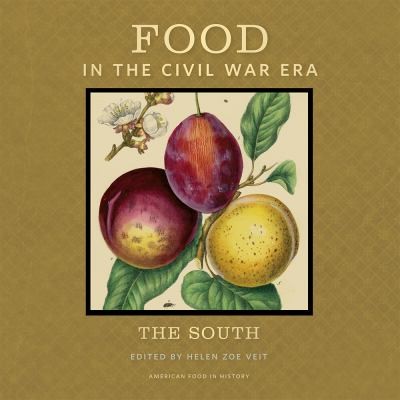
Cover of Food in the Civil War Era: The South.

Food in the Civil War Era: The South

Almost immediately, the Civil War transformed the way Southerners ate, devastating fields and food transportation networks. The war also spurred Southerners to canonize prewar cooking styles, resulting in cuisine that retained nineteenth-century techniques in a way other American cuisines did not. This fascinating book presents a variety of Civil War-era recipes from the South, accompanied by eye-opening essays describing this tumultuous period in the way people lived and ate. The cookbooks excerpted here teem with the kinds of recipes we expect to find when we go looking for Southern food.

View in Catalog

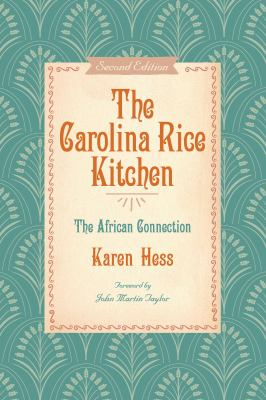
Cover of The Carolina Rice Kitchen: The African Connection.

The Carolina Rice Kitchen: The African Connection

Karen Hess

Where did rice originate? How did the name Hoppin' John evolve? Why was the famous rice called "Carolina Gold"? The rice kitchen of early Carolina was the result of a myriad of influences―Persian, Arab, French, English, African―but it was primarily the creation of enslaved African American cooks. And it evolved around the use of Carolina Gold. Although rice had not previously been a staple of the European plantation owners, it began to appear on the table every day. Rice became revered and was eaten at virtually every meal and in dishes that were part of every course: soups, entrées, side dishes, dessert, and breads. The ancient way of cooking rice, developed in India and Africa, became the Carolina way.  Carolina Gold rice was so esteemed that its very name became a generic term in much of the world for the finest long-grain rice available. This engaging book is packed with fascinating historical details, including more than three hundred recipes and a facsimile of the Carolina Rice Cook Book from 1901. A new foreword by John Martin Taylor underscores Hess's legacy as a culinary historian and the successful revival of Carolina Gold rice.
 

View in Catalog

Upcoming Event

Cookbook open on a table with foodstuffs all around.

Yum!: Recipes & Resources at the SC State Library

December 15, 2025, 11:00 AM

Hungry for something new? Join us for a tasty webinar as we dig into the library’s food-focused resources—from fascinating historical finds to modern cookbooks. We might even sprinkle in a recipe or two!

This Week